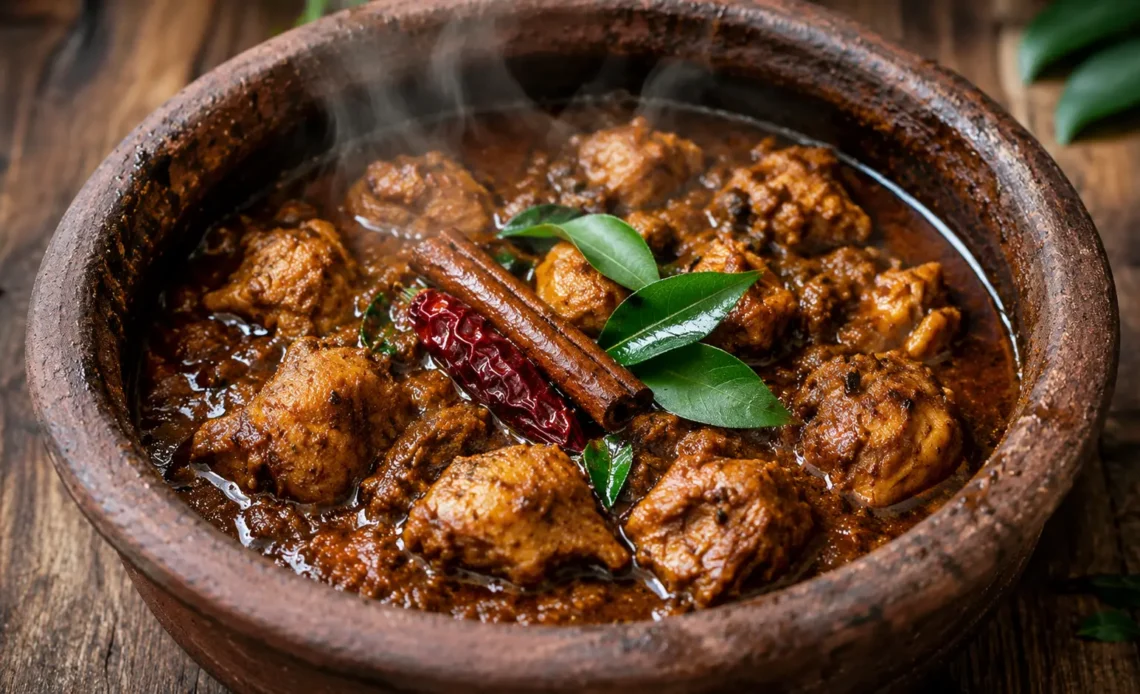
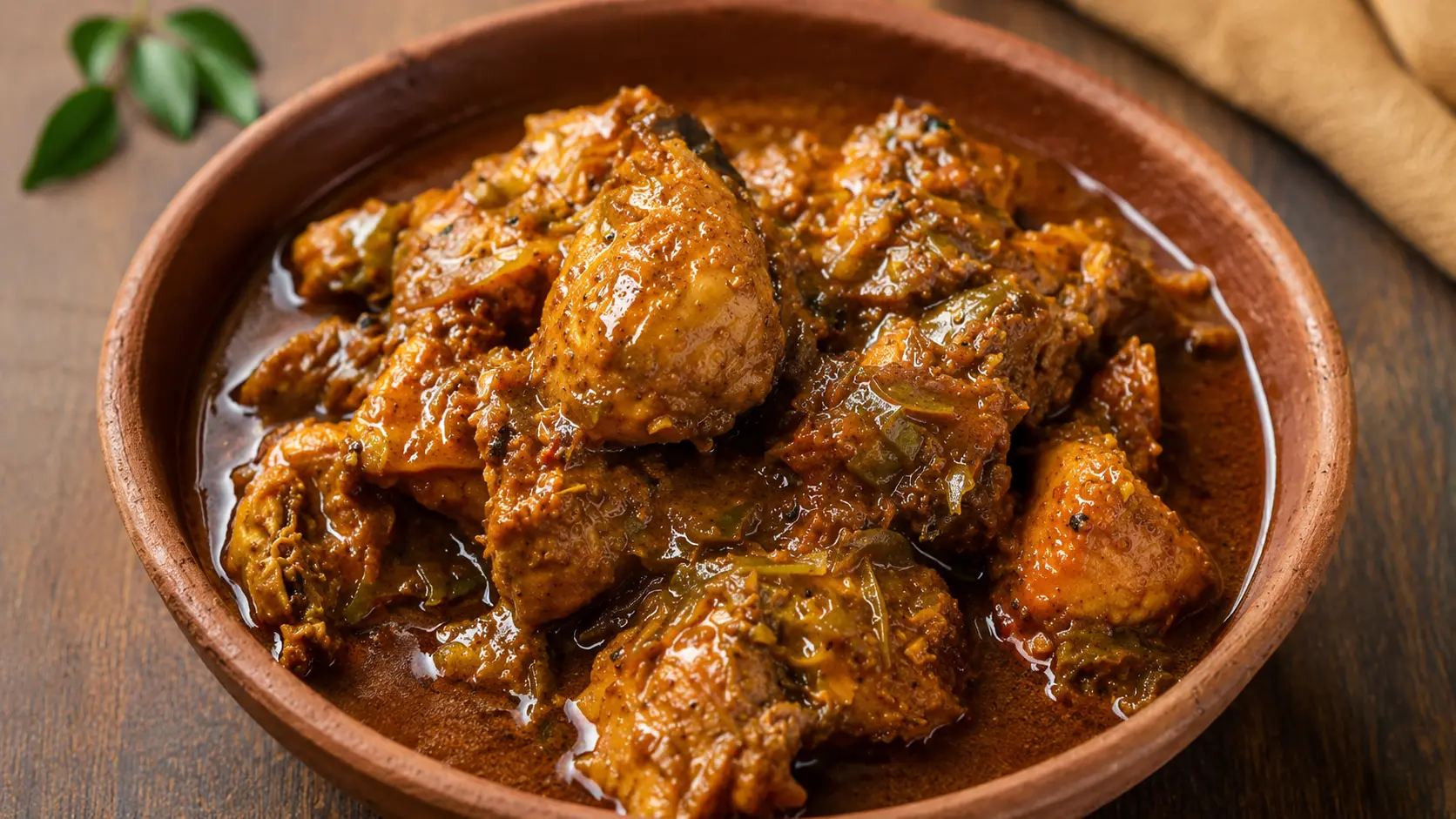
This Sri Lankan village-style chicken curry is made with simple ingredients and a slow cooking method that brings out deep flavor and aroma. Unlike modern chicken curry recipes, this version has a more rustic texture and a bold curry taste inspired by traditional village cooking.
One thing I enjoy most about this dish is how the spices slowly blend into the chicken while cooking. The gravy becomes rich and thick naturally as the curry slowly cooks.
It is usually served with hot rice, mani pittu, string hoppers, pol roti, or coconut sambol.
What Makes This Curry Village Style?
Village-style chicken curry is known for its deeper spice flavor, slower cooking process, and simple cooking method. Instead of relying on modern shortcuts, this version uses curry leaves, goraka, coconut oil, and slow cooking to create a rustic and flavorful curry.
A few things that make this curry special are the slow cooking process, aromatic spice mixture, thick gravy texture, and the use of ingredients like curry leaves, goraka, and coconut oil.
Ingredients You’ll Need
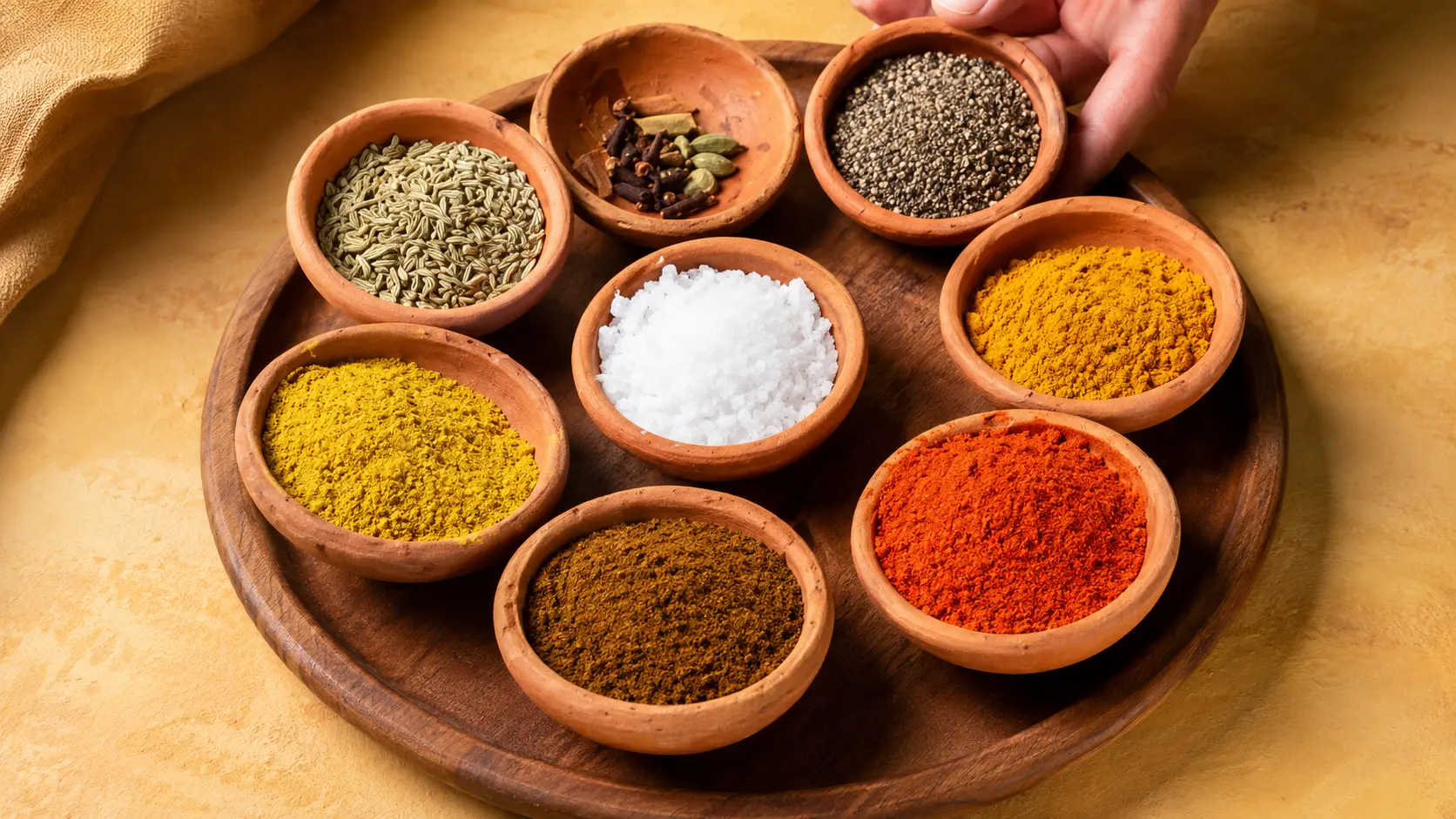
This curry uses simple everyday ingredients like chicken, onion, tomato, ginger, garlic, curry leaves, goraka, coconut oil, and a few basic spices. The slow cooking method helps these ingredients blend together and gives the curry a deeper homemade flavor.
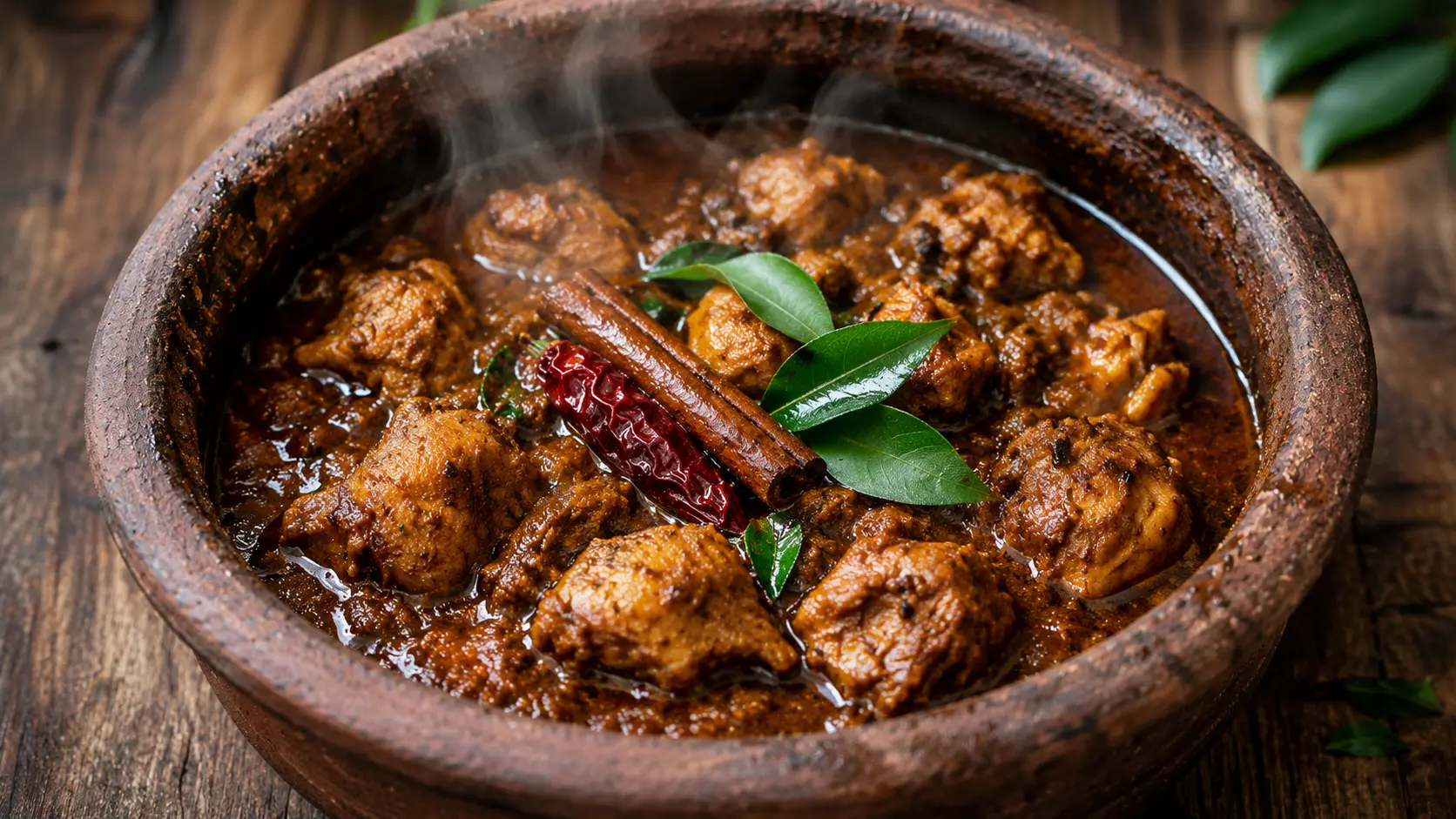

Sri Lankan Village Style Chicken Curry
Ingredients
Equipment
Method
- Clean and wash the chicken pieces well. Lightly season with salt if needed.
- Heat coconut oil in a pan or clay pot. Add onion, garlic, ginger, curry leaves, cinnamon, and lemongrass. Cook on medium heat until the onions become soft and lightly golden.
- Add curry powder, chili powder, and black pepper. Stir gently for about 1 minute until the spices release their aroma.
- Add fried shallots, chopped tomato, green chilies, and goraka. Mix everything well.
- Add the chicken pieces and coat them evenly with the spice mixture. Cook for a few minutes so the chicken absorbs the flavor.
- Pour in thick coconut milk or a small amount of water depending on how thick you want the gravy.
- Cover and cook on low to medium heat until the chicken becomes tender and the gravy thickens. Stir occasionally to prevent sticking.
- Taste and adjust salt if needed. When the oil starts separating slightly from the gravy, remove from heat and let the curry rest for a few minutes before serving.
Notes
Step-by-Step Instructions
Step 1 – Prepare the Chicken
Clean and wash the chicken pieces well. If you like, lightly season the chicken with salt and a little turmeric before cooking.
Step 2 – Cook the Aromatics
Heat coconut oil in a clay pot or pan. Add onion, garlic, ginger, curry leaves, cinnamon, and lemongrass. Cook on medium heat until the onions become soft and lightly golden.
Step 3 – Add the Spices
Add curry powder, chili powder, and black pepper. Stir gently for about 1 minute until the spices release a warm aroma. Do not cook on high heat because the spices can burn quickly.
Step 4 – Build the Curry Base
Add fried shallots, chopped tomato, green chilies, and goraka. Mix everything well until the base starts to look rich and fragrant.
Step 5 – Add the Chicken
Add the chicken pieces and coat them well with the spice mixture. Let the chicken cook for a few minutes so the flavor starts to absorb into the meat.
Step 6 – Simmer the Curry
Pour in thick coconut milk or a small amount of water. Cover and cook on low to medium heat until the chicken becomes tender and the gravy thickens slightly. Stir occasionally to prevent sticking.
Step 7 – Final Touch
Taste and adjust the salt if needed. When the oil starts separating slightly from the gravy, remove the curry from heat and let it rest for a few minutes before serving.
Tips for Better Flavor
- Slow cooking helps the spices blend better into the chicken.
- Avoid adding too much water because village-style curry usually has a thicker gravy.
- Curry leaves and goraka add a deeper traditional flavor.
- Coconut oil gives the curry a richer aroma.
- Let the curry rest for a few minutes before serving for better flavor.
What to Serve With This Curry
This chicken curry is best served with hot rice, mani pittu, string hoppers, coconut sambol, parippu curry, or pol roti. I personally like it with hot rice and a little coconut sambol on the side.
Storage Tips
Store leftover chicken curry in an airtight container in the fridge for up to 2 days.
Reheat it slowly on low heat for better texture and flavor.
This curry often tastes even better the next day after the spices settle.
My Experience With This Curry
Village-style chicken curry has always been one of my favorite meals because of its bold spice flavor and thick gravy. I personally like making it in a clay pot because it gives the curry a deeper aroma and a more rustic feel.
From my experience, cooking the curry slowly on medium heat makes a big difference compared to rushing the process.
Common Mistakes
- Adding too much water and making the gravy thin.
- Burning the spices by cooking on high heat.
- Not cooking the onions long enough.
- Using too little salt.
- Skipping curry leaves or goraka.
Approximate Nutrition Information
Approximate nutrition per serving:
- Calories: 320
- Protein: 24g
- Fat: 18g
- Carbohydrates: 8g
Yes, you can use water instead of coconut milk for a lighter curry. Coconut milk gives a thicker and richer flavor, but the recipe still works without it.
This usually happens when too much water is added or the curry is not cooked long enough. Let it simmer slowly until the gravy thickens naturally.
Yes, boneless chicken can be used, but chicken with bones usually gives better flavor to the gravy.
Let the curry cool completely, then store it in an airtight container in the fridge for up to 2 days. Reheat slowly before serving.
📌 Conclusion
Sri Lankan village-style chicken curry is one of those comforting meals that brings deep flavor to the table using simple ingredients and slow cooking. Whether you serve it with rice, mani pittu, string hoppers, or coconut sambol, this curry feels filling, warm, and full of homemade flavor.
If you enjoy recipes like this, you may also like my coconut sambol, parippu curry, and mani pittu recipes for a complete Sri Lankan meal.
Did you enjoy this recipe?
If you enjoyed this recipe, don’t forget to rate it ⭐ and share your experience!