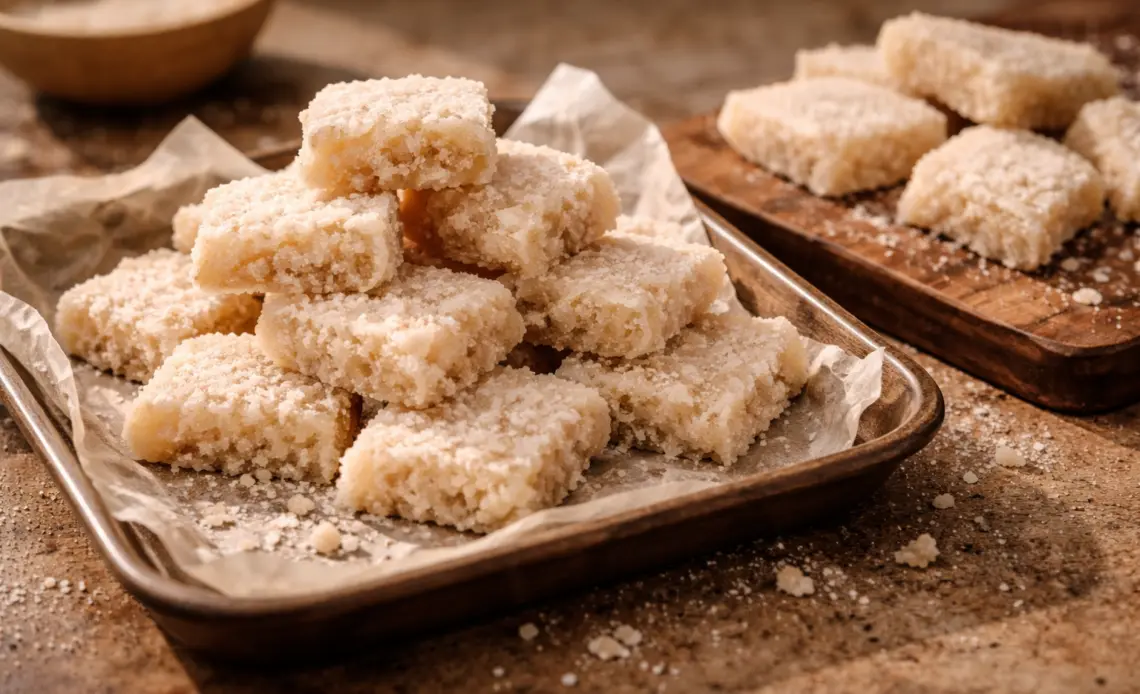
Traditional Sri Lankan Aluwa Recipe is one of the most loved sweets in Sri Lanka, especially during Sinhala New Year celebrations and family gatherings. This soft and crumbly sweet is made using rice flour, sugar, coconut milk, and cardamom, giving it a rich homemade flavor that many Sri Lankans grew up enjoying.
I have made this traditional Sri Lankan aluwa recipe many times at home, and over time I learned a few simple tricks that help create the perfect texture. In this recipe, I’ll show you how to make soft homemade aluwa step by step using easy ingredients and traditional methods.
What is Aluwa?
Aluwa is a traditional Sri Lankan sweet mainly made using rice flour, sugar, and coconut milk. Its soft, crumbly texture and rich flavor make it popular during festive seasons and family celebrations.
This sweet is usually cut into diamond or square shapes and lightly dusted with roasted rice flour. If you enjoy traditional Sri Lankan sweets, you may also like my Traditional Sri Lankan Kalu Dodol Recipe.
Ingredients You’ll Need
- Rice flour: 500g (you can use ready-made rice flour or make it at home)
- Sugar: 300g
- Coconut milk: Fresh or canned
- Cashew nuts: Finely chopped
- Cardamom powder: Freshly ground for better flavor
- Water: 1 cup
- Salt: A pinch
These ingredients are simple and commonly available in most Sri Lankan homes.
Ingredient Substitutions
If you cannot find some traditional Sri Lankan ingredients, here are a few easy substitutes you can use:
- Rice flour → Store-bought fine rice flour works well
- Fresh coconut milk → Canned coconut milk can be used
- Cardamom powder → Ground cardamom from grocery stores
- Cashew nuts → Almonds or peanuts can also be used
- Banana leaf → Use parchment paper instead
These substitutions may slightly change the traditional flavor, but the recipe will still taste delicious.
Step-by-Step Preparation of Aluwa
Preparing the Rice Flour (Optional)
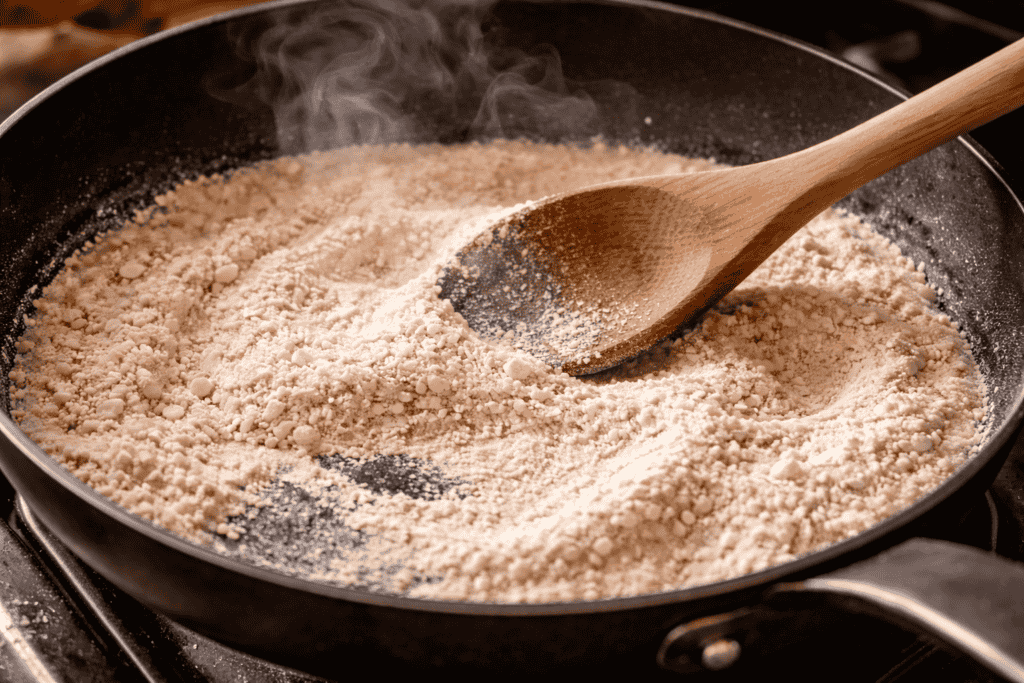
For the best results, you can prepare rice flour at home. Soak the rice overnight, wash it well, and drain the water completely. Spread the rice on a clean cloth to dry slightly. Then blend it into a fine powder and roast it on medium heat until light and fluffy. Finally, sift it well to remove lumps.
I personally like preparing the flour at home because it gives a fresher flavor and softer texture.
Preparing the Aluwa
- Prepare the nuts and spices:
Finely chop the cashew nuts and cardamom. Keep them aside.
- Prepare the sugar syrup:
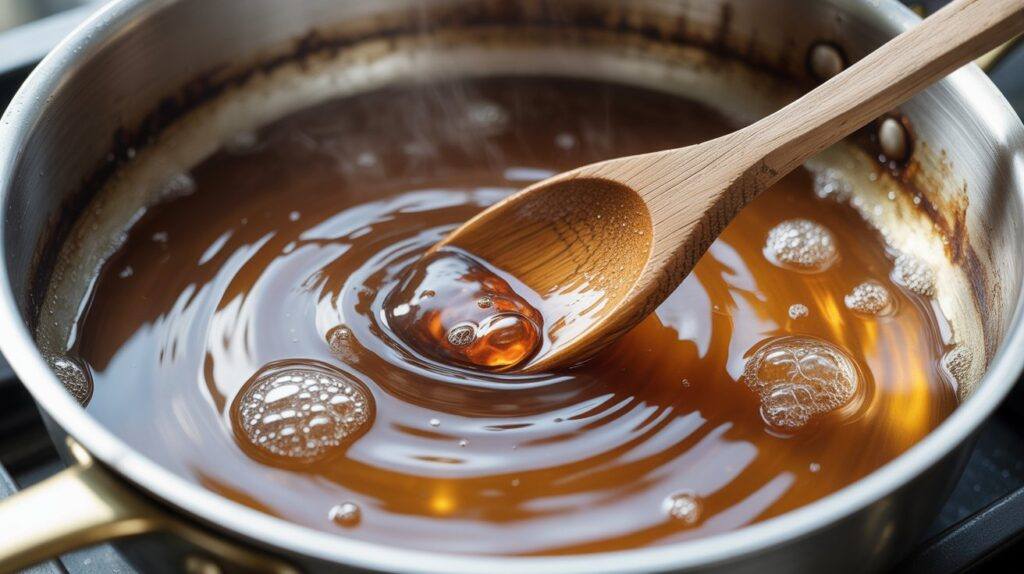
Add sugar and water to a heavy-bottomed pan and heat on medium flame. Stir until the sugar fully dissolves. Add a small pinch of salt to balance the sweetness.
- Check the syrup consistency:
Cook the syrup for about 10–12 minutes. When a small amount falls in a thin thread-like form, the syrup is ready.
- Reserve some syrup:
Take a small amount of syrup into a separate cup. If the mixture becomes too thick later, you can use it to adjust the consistency. This is a small trick I personally use when making aluwa.
- Add aromatics: Add the chopped cashews and cardamom to the syrup and mix well.
- Add coconut milk: Pour in the coconut milk and stir gently.
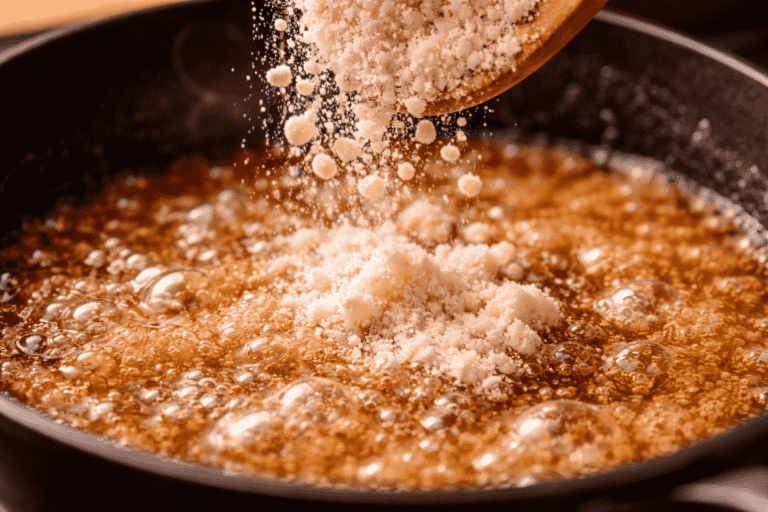
- Add rice flour gradually: Slowly add the roasted rice flour little by little while continuously stirring. Do not add everything at once because lumps can form easily.
- Adjust the texture: If the mixture becomes too thick, add a little of the reserved syrup.
- Check if it’s ready: The mixture is ready when it forms a soft dough-like texture and no longer sticks to your hands.
At this stage, you will notice the mixture becoming thicker — this is a good sign.
Shaping and Cutting
- Prepare the surface: Lightly sprinkle roasted flour onto a banana leaf or parchment paper.
- Spread the mixture: Transfer the warm aluwa mixture onto the surface and spread it evenly to about ½ inch thickness.
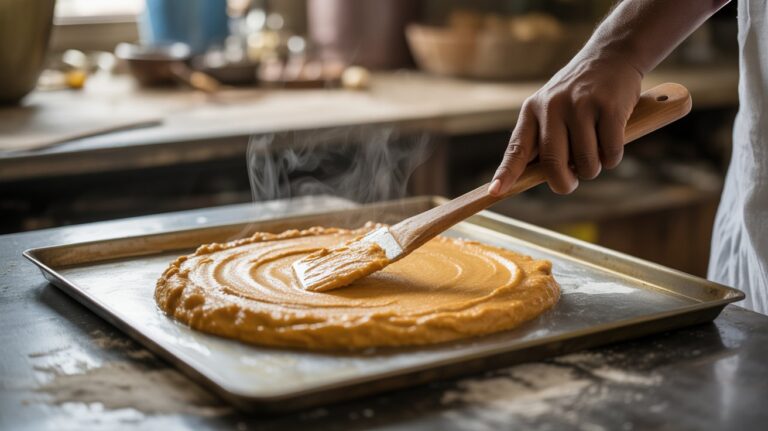
- Dust with flour: Lightly sprinkle roasted flour on top.
- Cut into shapes: Use a sharp knife to cut diamond or square shapes while still warm. I personally prefer the traditional diamond shape.
- Separate the pieces: Allow the aluwa to cool for about 30 minutes before separating the pieces completely.
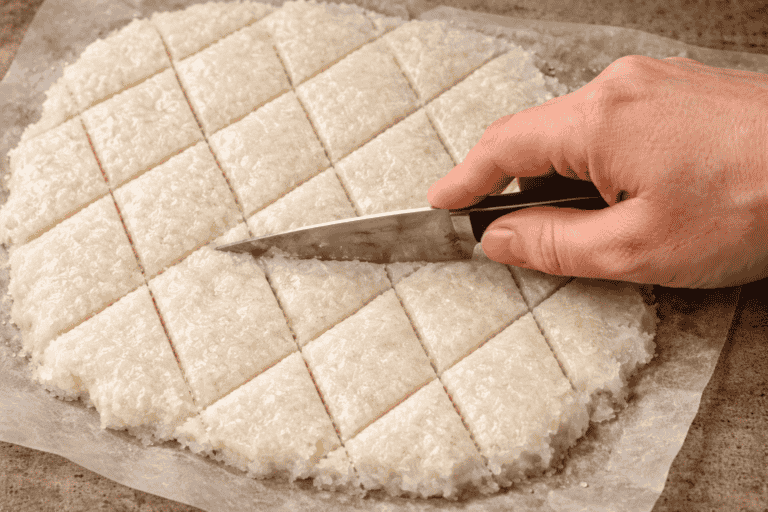
Finishing
After mixing like this, spread it on a flat surface. If you want to cut it into diamond shapes, shape the mixture first and then cut. You can cut it however you like. Take your time when spreading, because the mixture will not harden immediately as the syrup cools down.
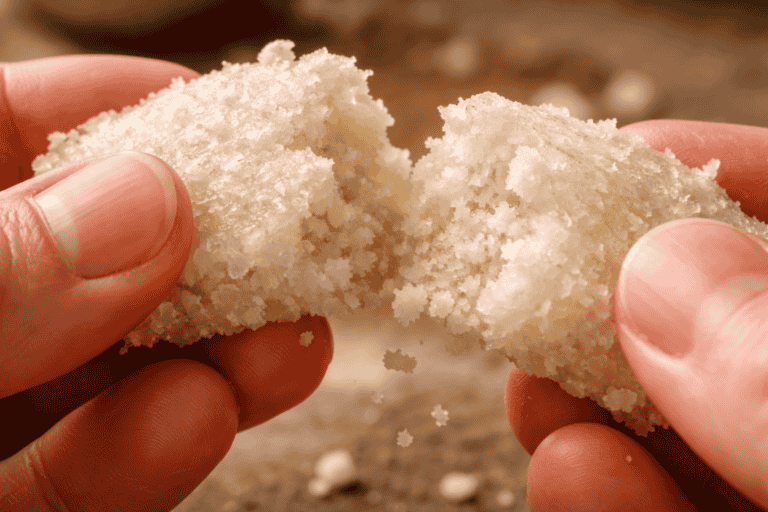
Now it is ready. Mark the lines where you want to cut. After about half an hour, separate the pieces. Now the pieces are ready — this is our delicious Aluwa!
Notice: Do not use the sugar syrup when it is too hot or too cold, and do not touch it by hand.
Pro Tips for Perfect Aluwa
These are tips and tricks that I personally use—if you like, you can follow them too.
- ✔ Work quickly because the mixture hardens fast
- ✔ Cut the aluwa while still warm
- ✔ Store in an airtight container
- ✔ The texture should stay soft but hold its shape
Cultural Significance
Aluwa is an important traditional sweet in Sri Lankan culture, especially during Sinhala and Tamil New Year celebrations. It is often served together with kevum, kokis, milk rice, and other festive sweets.
Serving Suggestions
Aluwa pairs perfectly with a warm cup of Ceylon tea. It can also be served together with milk rice, kokis, and traditional Sri Lankan sweets during festive occasions.
Nutrition Information
- Calories: 150–200 kcal
- Carbohydrates: 25g–30g
- Sugar: 12g–18g
- Fat: 4g–6g
Common Mistakes
- ❌ Adding too much flour at once
- ❌ Overcooking the mixture
- ❌ Not checking syrup consistency properly
- ❌ Cutting too late after hardening
Conclusion
Traditional Sri Lankan aluwa is a simple homemade sweet with a soft, crumbly texture and rich flavor. With the right syrup consistency and gentle mixing, you can easily prepare delicious aluwa at home for festive occasions or family gatherings. If you enjoy traditional Sri Lankan sweets, you can also try my Traditional Sri Lankan Mung Kevum Recipe.
FAQ
- Why does my aluwa become hard?
Usually because the mixture was overcooked or too much flour was added.
- How long does aluwa last?
It usually stays fresh for about 3–5 days in an airtight container.
- Can I use jaggery instead of sugar?
Yes. Jaggery gives the aluwa a deeper traditional flavor.
Did you enjoy this recipe?
If you enjoyed this recipe, don’t forget to rate it ⭐ and share your experience!