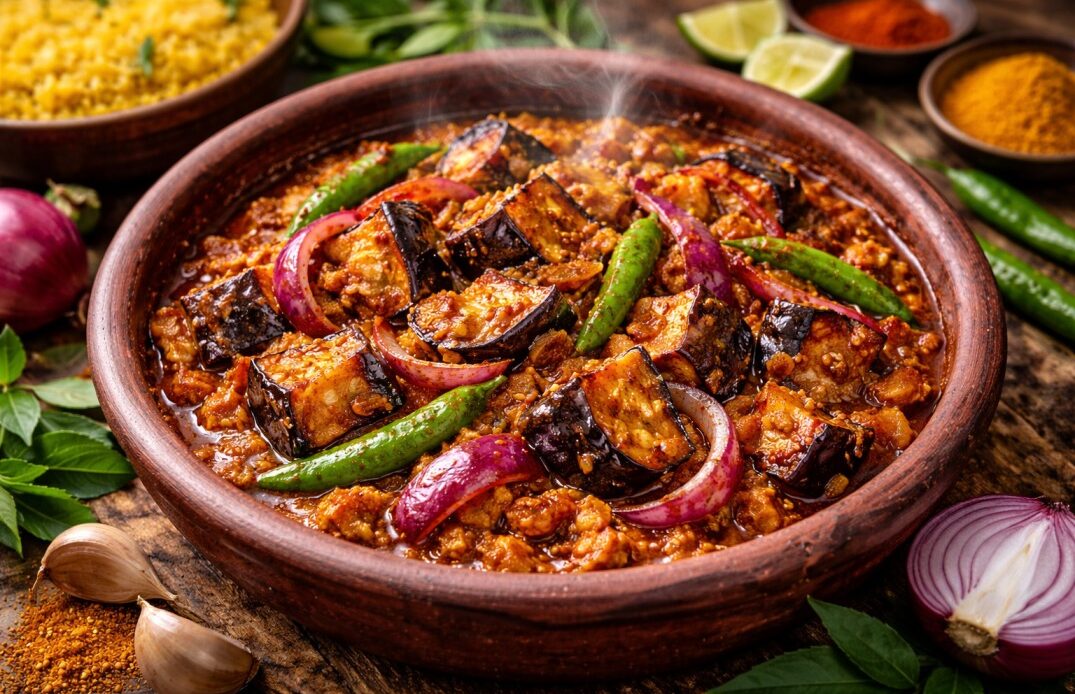
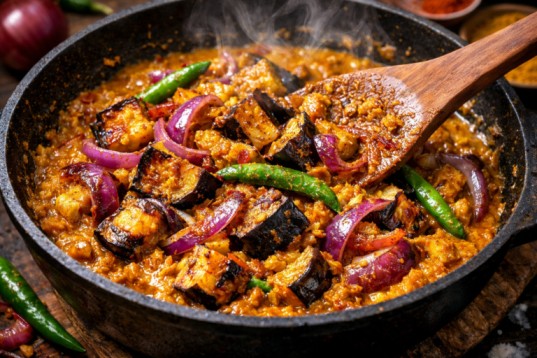
Wambatu Pahi is one of the most loved traditional Sri Lankan eggplant dishes, especially during festive meals and special occasions. This curry is famous for its rich sweet, sour, and slightly spicy flavor that pairs perfectly with rice dishes.
I’ve made wambatu pahi many times at home, and from my experience, the real secret to a delicious pahi is getting the balance between sweetness, sourness, and spice just right.
Another important step is frying the eggplant properly before mixing it with the sauce. Slightly crispy fried eggplant absorbs the flavors beautifully and gives the curry its unique texture.
If you enjoy traditional Sri Lankan dishes like this, you might also like my Traditional Yellow Rice Recipe and Sri Lankan Dal Curry Recipe.
🛒 Ingredients List for Wambatu Pahi
Main Ingredients:
- Eggplant: 500 grams (cut lengthwise into pieces)
- Raw chili: 5-6 pods (halved)
- Red onion: 100 grams (peeled and cut whole or in half)
- Oil for frying: As required
For the Pahi Sauce:
- Ginger: About an inch piece (minced)
- Garlic: 5-6 cloves (minced)
- Turmeric powder: 1/4 teaspoon
- Chili powder: 1 teaspoon (to taste)
- Mustard powder (or ground mustard): 2 teaspoons
- Vinegar: 3-4 tablespoons
- Sugar: 1-2 tablespoons (can be increased according to your taste)
- Salt: To taste According to
- Cinnamon bark: a small piece
- Caramel and Rampe (Pandan Leaves): a little
👨🍳 How to make Wambatu Pahi (Step-by-Step Art)
🟢 Step 1 – Prepare the Eggplant
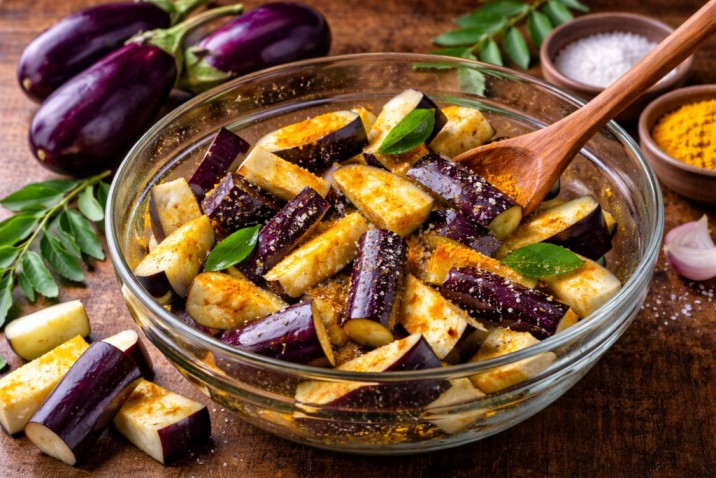
- First, wash and drain the eggplant well.
- Cut them into thick strips about 2 inches long.
- Mix the eggplant pieces with a little salt and turmeric powder.
- This helps improve the flavor before frying.
🟢 Step 2 – Fry the Eggplant
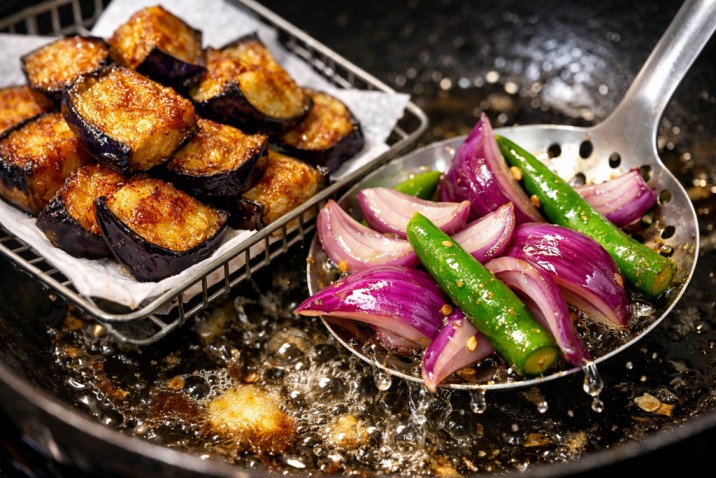
- Heat oil in a pan and fry the eggplant pieces until golden brown and slightly crispy.
- Do not overcrowd the pan while frying.
- Once fried, place them on tissue paper to remove excess oil.
- Next, lightly fry the red onions and green chilies for a few seconds. Avoid frying them too long because they should still keep a slight crunch.
🟢 Step 3 – Prepare the Pahi Sauce
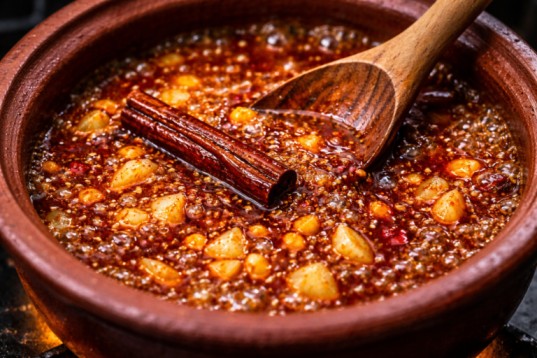
- Take another pan or clay pot and add vinegar, ginger, garlic, chili powder, mustard powder, sugar, salt, cinnamon stick, curry leaves, and pandan leaves.
- Mix everything well and cook over medium heat.
- Allow the sauce to simmer until it thickens slightly and develops a rich aroma.
- From my experience, cooking the sauce slowly helps the flavors blend much better.
🟢 Step 4 – Mix Everything Together
- Reduce the heat and add the fried eggplant, onions, and green chilies into the sauce.
- Mix everything gently so the eggplant absorbs the sauce evenly.
- Cook on low heat for about 2–3 minutes and remove from the stove.
- Once the sauce coats the eggplant properly, the wambatu pahi is ready to serve.
💡 Tips for the Best Wambatu Pahi
• Fry the eggplant until slightly crispy for better texture
• Adjust sugar and vinegar according to your taste
• Avoid overcooking the onions and chilies
• Let the curry rest for a few hours before serving for deeper flavor
👉 From my experience, wambatu pahi tastes even better after resting because the flavors absorb into the eggplant more fully.
🍛 What to Serve with Wambatu Pahi
This traditional Sri Lankan curry pairs perfectly with:
• Traditional Yellow Rice
• Sri Lankan Dal Curry
• Sri Lankan Coconut Sambol
• Fried fish
• Sri Lankan rice and curry meals
It is especially popular during festive meals and family gatherings.
🧊 Storage Tips
Because this curry contains vinegar, it stores quite well compared to many other curries.
You can refrigerate it for several days in an airtight container. In fact, many people feel the flavor becomes even better the next day.
❓ FAQ
- Is Wambatu Pahi vegan?
Yes, this recipe is completely plant-based and vegan-friendly.
- Can I use any type of eggplant?
Yes, but smaller Sri Lankan eggplant varieties usually give the best flavor and texture.
- How long does Wambatu Pahi last?
Stored in an airtight container in the refrigerator, it keeps well for about 3–4 days.
- Can I reduce the spice level?
Yes, simply reduce the chili powder and green chilies according to your taste.
📌 Conclusion
Traditional Sri Lankan Wambatu Pahi is a flavorful sweet and sour eggplant curry that brings a special taste to any rice meal. The combination of crispy fried eggplant and rich spicy sauce creates a delicious dish that is loved in many Sri Lankan homes.
With simple ingredients and a little patience, you can easily prepare this authentic Sri Lankan curry at home.
If you enjoy traditional Sri Lankan recipes, you can also try my homemade fish patties recipe or Traditional Yellow Rice Recipe for another delicious homemade meal idea.
Did you enjoy this recipe?
If you enjoyed this recipe, don’t forget to rate it ⭐ and share your experience!